
- A Bricks Builder developer should be a genuine specialist, because Bricks rewards technical skill and punishes casual use more than other builders.
- Great Bricks work means clean semantic output, native global classes and components, and fast pages, not a pile of third-party add-ons.
- Bricks is known as the developer’s page builder, so choosing it, and someone fluent in it, tends to signal a higher-quality build.
- A skilled Bricks developer typically costs $50 to $120 an hour, or roughly $1,500 to $8,000 for a custom site in 2026.
- Vet for real Bricks portfolios, clean code, performance scores, and a plan for how you will maintain the site afterward.
To find a great Bricks Builder developer, look for a genuine Bricks specialist who writes clean, semantic markup, uses the builder’s native features rather than piling on add-ons, and can show fast, well-structured sites they have built. Bricks rewards real skill, so the specialist you hire matters more than it would with an easier builder.
Here is what makes this hire different from a general one: Bricks is powerful precisely because it gives developers deep control, which means it also gives them enough rope to make a mess if they do not know what they are doing. This guide explains why Bricks needs a specialist, what separates a great Bricks Builder developer from someone who merely clicks around in it, where to find one, and what to expect on cost in 2026.
Why Bricks Needs a Specialist, Not Just Any Developer
Bricks needs a specialist because it is a developer-focused builder with a steeper learning curve than tools like Elementor, so its power only pays off in skilled hands. Hiring someone who truly knows Bricks is the difference between a fast, maintainable site and a fragile one.

Bricks is built for people who understand how the web works. As independent reviewers put it, if you know CSS, Bricks feels like a superpower, and if you do not, it feels intimidating. That is by design, and it has real consequences for hiring:
- The learning curve is real. Bricks assumes a working grasp of HTML structure and CSS, so a casual user cannot simply wing it the way they might in an easier builder.
- The talent pool is narrower. There are fewer Bricks specialists than Elementor freelancers, so you are hiring a specialist or, as one review bluntly notes, effectively starting over.
- The power cuts both ways. Deep control means a skilled developer builds something excellent, while an unskilled one builds something inconsistent and hard to maintain.
This is exactly why searching for a “Bricks Builder developer” is smarter than searching for a general “WordPress developer.” You are not looking for a Bricks Builder developer who has merely heard of the tool; you are looking for someone who lives in it. The good news is that the tool itself filters for quality, which we will come back to shortly.
Pro tip: Ask a candidate how long they have used Bricks specifically, not WordPress in general. Bricks fluency is a distinct skill, and the difference between six months and several years shows in the output.
So what does that fluency actually look like in a finished site?
What a Great Bricks Builder Developer Actually Does
A great Bricks Builder developer produces clean, semantic HTML, uses global classes and reusable components for consistency, leans on Bricks’s native features, and delivers pages that load fast and pass Core Web Vitals. The quality is visible in the code, not just the design.
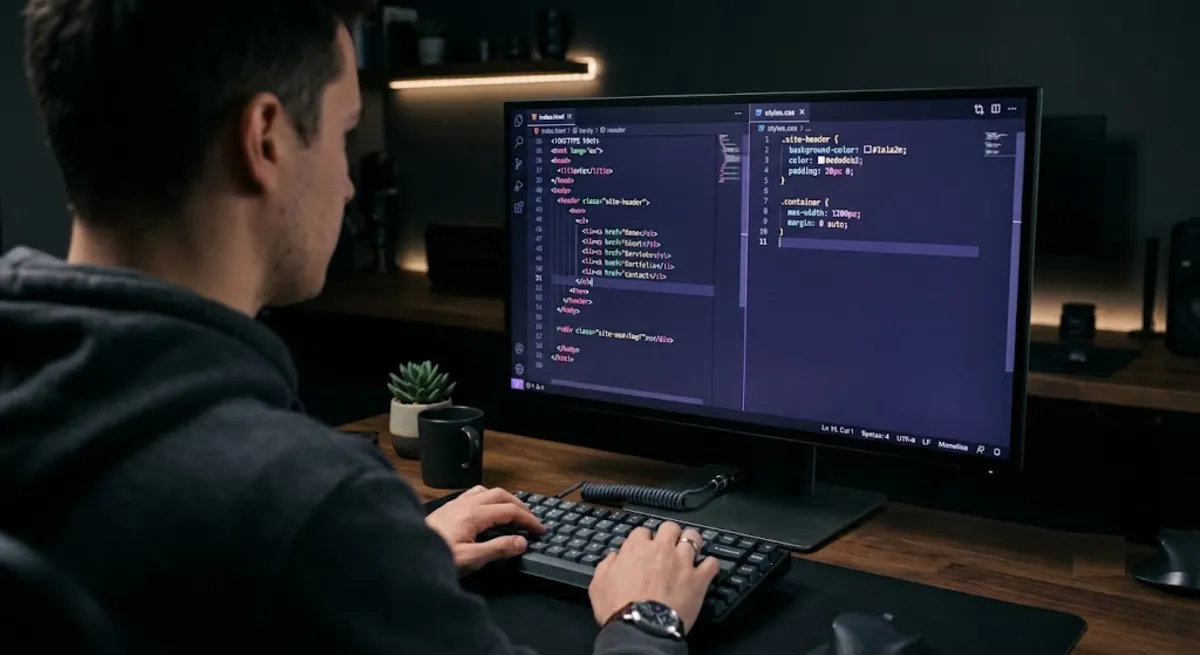
The hallmarks of a skilled Bricks Builder developer are consistent across every good build:
- Clean, semantic markup. Bricks can output HTML close to hand-written code, where a section is a real section and a heading a real heading, and a good developer keeps it that way.
- Global classes and design tokens. Using Bricks’s class-based workflow and CSS variables so styling stays consistent and changes propagate site-wide, instead of being hard-coded element by element.
- Reusable components. Building components and templates once and reusing them, so the site is consistent and far easier to maintain later.
- Performance by default. Taking advantage of Bricks’s lean output and smart loading so pages are fast without a pile of optimisation band-aids, which makes hitting Core Web Vitals far easier.
The through-line is discipline. Bricks gives a developer enormous freedom, and a great one imposes structure on that freedom through classes, components, and clean markup. That structure is what makes the site fast today and maintainable in two years, which matters because a disciplined Bricks build is a joy to work with and an undisciplined one is a nightmare. If you also care about raw speed, our guide to website speed optimization shows why that clean foundation matters so much.
Want a Bricks site built the disciplined way?
We build fast, clean, component-driven Bricks sites you can actually maintain. See our Bricks Builder development.
There is one specific habit that separates the specialists from the pretenders, and it is worth understanding before you hire.
The Add-On Trap: Native Power vs Plugin Soup
The clearest sign of a weak Bricks Builder developer is heavy reliance on third-party add-ons for things Bricks can already do natively, because that reintroduces the bloat and fragility that Bricks was designed to avoid. A real specialist reaches for native features first.
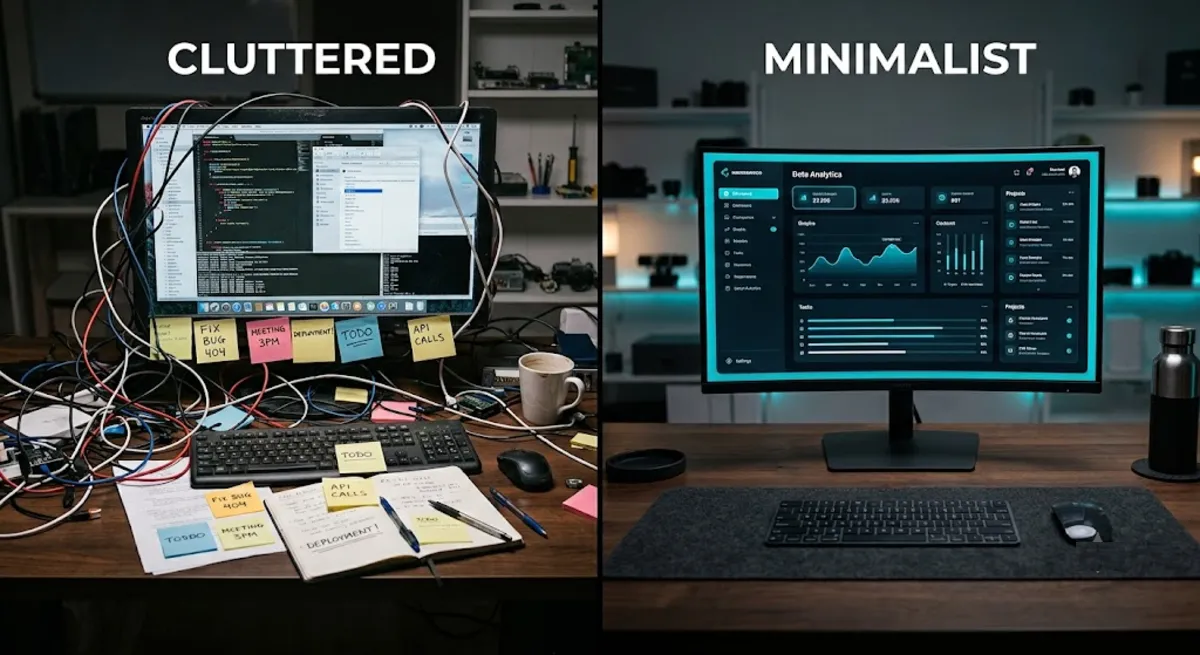
This matters because the whole point of Bricks is lean, fast output, and stacking add-ons quietly undoes it. There is a well-known pattern of beautifully built Bricks sites brought to a crawl by ten unnecessary plugins, which defeats the purpose entirely.
A weaker developer, especially one migrating habits from a builder like Elementor, reaches for an add-on whenever they hit a limit. A specialist Bricks Builder developer knows the native features, its query loops, dynamic data, global classes, and built-in elements, well enough to solve most problems without extra weight.
That does not mean add-ons are forbidden; a couple of well-chosen ones are fine. It means the default should be native, and every add-on should earn its place. When you interview a Bricks Builder developer, how they talk about add-ons tells you a great deal about whether they understand the tool or are just decorating with it.
Pro tip: Ask, “How many third-party Bricks add-ons do you typically use, and why?” A specialist names a small number with clear reasons. A weaker developer lists a long stack as if more is better.
All of this connects to a broader truth about why the choice of Bricks itself is a useful signal.
Bricks vs Elementor: Why the Builder Signals the Developer
The choice of Bricks over Elementor often signals a developer who prioritises performance and clean code, because Bricks is widely known as the developer’s page builder while Elementor is the more beginner-friendly option. The tool a developer chooses tells you something about how they work.
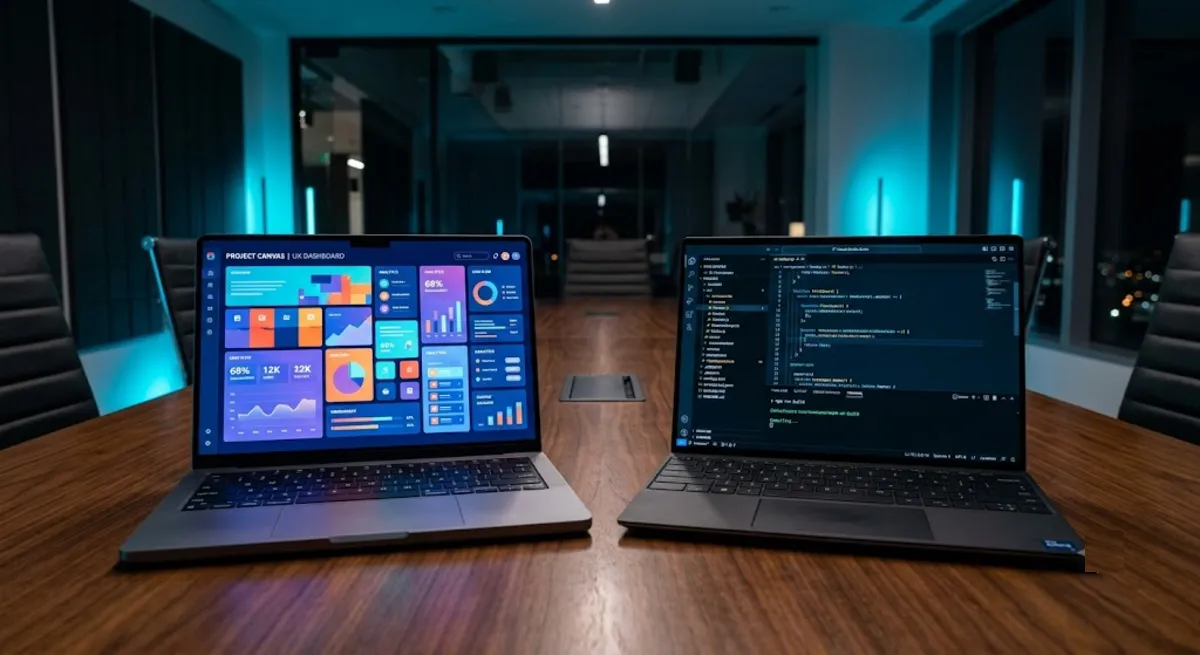
The contrast is well documented. Independent 2026 benchmarks have found Bricks to be dramatically lighter than Elementor out of the box, in some tests close to ten times lighter, because Bricks outputs clean semantic HTML and only loads the code a page actually uses, while Elementor loads foundational scripts and heavier markup by default. That performance gap is why developers frustrated with Elementor’s heavier output have migrated to Bricks in large numbers.
None of this means Elementor is a bad choice; it is more beginner-friendly, has a larger ecosystem, and is easier to hand to a non-technical editor, which is why it remains hugely popular and why we also offer Elementor development for the right projects.
But if you have specifically decided on Bricks, you have chosen the performance-first path, and you should hire a Bricks Builder developer who chose it for the same reason. For the wider decision of who to hire for any WordPress build, our guide on hiring a WordPress developer covers the fundamentals.
Pro tip: If a developer defaults to Elementor and treats Bricks as an afterthought, they are probably an Elementor developer who dabbles in Bricks. For a Bricks project, you want the reverse.
With all of that in mind, where do you actually find a good one?
Where to Find a Bricks Builder Developer
You can find a Bricks Builder developer through the official Bricks community, specialist studios, curated developer directories, and referrals, rather than generic freelance marketplaces where Bricks skill is hard to verify. The source you choose affects how easily you can confirm real expertise.

Your best sources, roughly in order of how easily you can verify skill, are these. The active Bricks community, including its official Facebook group and forums, is full of developers who demonstrate their expertise publicly. Specialist WordPress studios that name Bricks as a core service, rather than listing every builder under the sun, tend to have genuine depth.
Referrals from people whose sites you admire are gold, since you can see the result first. Curated directories and communities are more reliable than open marketplaces, where anyone can claim Bricks skill and few can prove it.
Wherever you look, the verification step is the same: look at real Bricks sites they have built, and ideally check the code and the performance. A specialist is happy to show both, because their work holds up under inspection.
Looking for a Bricks specialist you can trust?
Bricks is one of our core tools, and we build performance-first sites with it every day. Tell us about your project.
Once you have found some candidates, the next question is what their time should cost.
What a Bricks Builder Developer Costs in 2026
A skilled Bricks Builder developer typically charges $50 to $120 an hour in 2026, or roughly $1,500 to $8,000 for a custom site, depending on complexity, custom design, and functionality. Specialists command more than generalists because Bricks fluency is a distinct, in-demand skill.
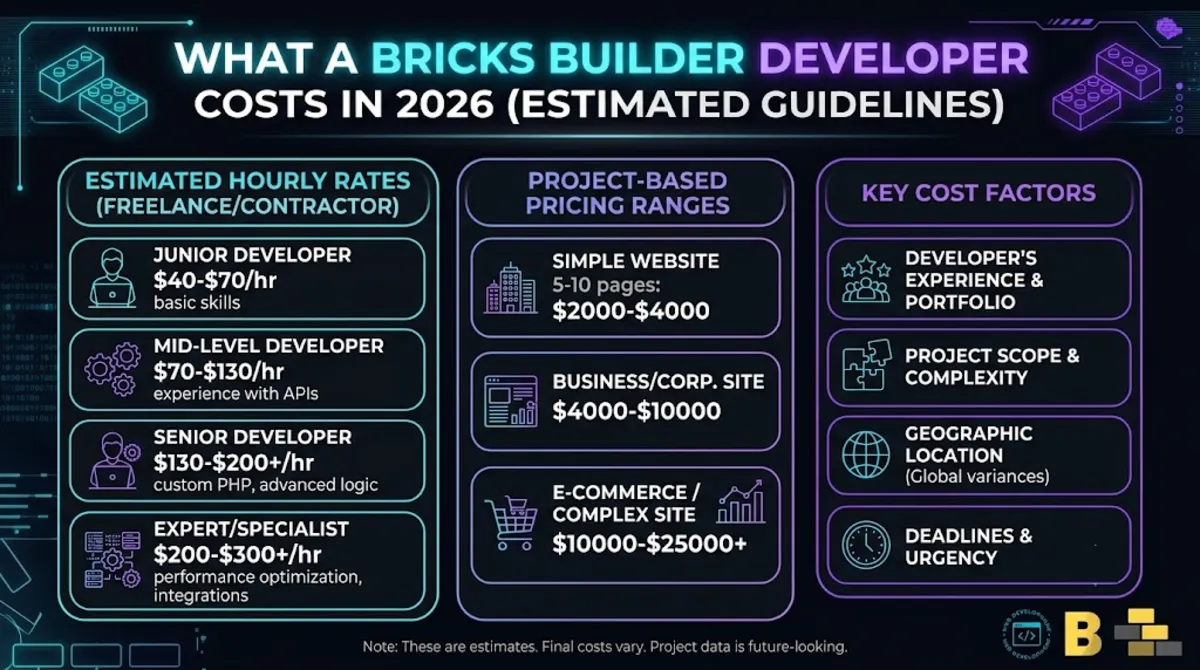
Here is roughly what to expect in 2026:
- Hourly: $50–$120 for a skilled specialist, with senior or highly sought developers higher. Cheaper rates often mean less Bricks-specific experience.
- Simple custom site: $1,500–$3,500 for a clean, fast, well-structured Bricks build of modest size.
- Complex or custom-design site: $3,500–$8,000+, reflecting custom components, dynamic data, and bespoke design work.
The value case for paying specialist rates is straightforward: a specialist Bricks Builder developer builds a faster, cleaner, more maintainable site in less time and with fewer problems later, whereas a cheaper generalist may produce something that technically works but reintroduces the very bloat and fragility Bricks exists to prevent. You are paying for the code quality you cannot easily see at a glance. You can see transparent numbers for our Bricks work on our pricing page.
Want a clear quote for a Bricks build?
Tell us your project and we will give you a fixed price for a fast, clean, maintainable Bricks site. Get a Bricks quote.
Before you commit, these seven checks confirm you have found a real specialist.
7 Things to Look For Before You Hire
Before you hire a Bricks Builder developer, look for these seven things. Because Bricks Builder developer quality lives in details a client cannot always see, these checks help you tell a genuine specialist from someone who merely lists Bricks on their profile.
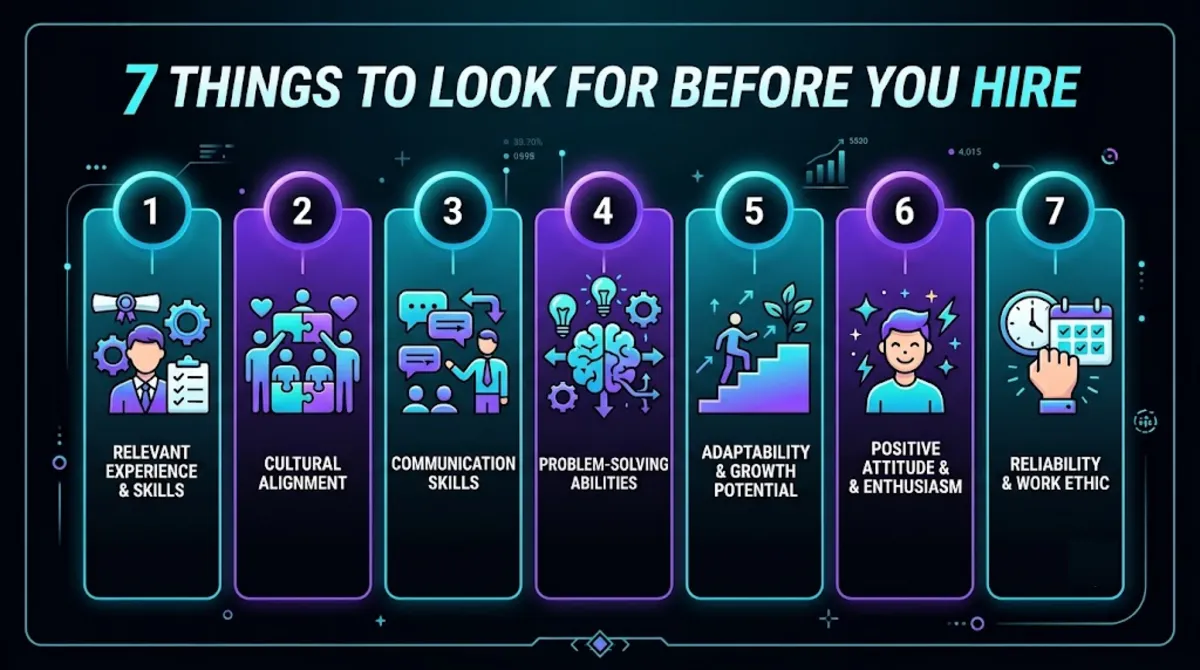
- A real Bricks portfolio. Actual sites built in Bricks, not general WordPress work with Bricks mentioned in passing.
- Clean code and performance. Fast pages that pass Core Web Vitals, which you can check yourself on their example sites.
- A native-first mindset. They solve problems with Bricks’s built-in features before reaching for add-ons.
- A class and component workflow. They use global classes, CSS variables, and reusable components, not hard-coded, one-off styling.
- Bricks-specific experience. Real time spent in Bricks, not just long general WordPress experience.
- A maintenance plan. A clear answer for how you will maintain the site, since Bricks sites reward ongoing technical care.
- Clear communication. They can explain their choices in plain language, which signals they understand the tool rather than just using it.
These checks work because genuine Bricks expertise shows up in structure and performance, not just appearance. A specialist welcomes questions about their code and their workflow, because that is exactly where their advantage lies. Someone who only wants to talk about how the design looks may be hiding a messy build underneath.
Pro tip: Run a candidate’s example Bricks site through a performance test yourself, using a tool like PageSpeed Insights. A true specialist’s pages load fast and score well; that single check filters out a lot of pretenders.
Use the quick tool below to see what kind of Bricks help fits your project.
Ready to hire a Bricks developer who does it right?
We build fast, clean, maintainable Bricks sites as one of our core services. Tell us your project and we will take it from there. Start the conversation.
Frequently Asked Questions
Can you recommend a Bricks Builder developer?
Look for a genuine Bricks specialist who can show real Bricks-built sites, writes clean semantic code, uses native features and a class-based workflow rather than piling on add-ons, and delivers fast pages that pass Core Web Vitals. Bricks is one of our core tools, so if you want it built the disciplined way, we would be glad to help, and the same criteria apply to vetting any Bricks developer.
Why do I need a specialist for Bricks Builder?
Because Bricks is a developer-focused builder with a steeper learning curve than tools like Elementor, its power only pays off in skilled hands. A specialist produces clean, fast, maintainable sites, while a casual user can create something inconsistent and fragile. The talent pool is also narrower, so verifying real Bricks experience matters more than it would with an easier builder.
How much does a Bricks Builder developer cost?
A skilled Bricks developer typically charges $50 to $120 an hour in 2026, or roughly $1,500 to $8,000 for a custom site depending on complexity and design. Specialists command more than generalists because Bricks fluency is a distinct skill, but they usually deliver a faster, cleaner, more maintainable site that saves money over time.
Is Bricks Builder better than Elementor?
Bricks generally produces leaner, faster, cleaner code and is favoured by developers, while Elementor is more beginner-friendly with a larger ecosystem and is easier for non-technical editors. For performance and clean code, Bricks tends to win; for ease of use and hand-off to a non-technical team, Elementor has advantages. The right choice depends on your priorities and who will maintain the site.
What makes a good Bricks Builder developer?
A good Bricks developer writes clean semantic markup, uses global classes, CSS variables, and reusable components, relies on Bricks’s native features instead of unnecessary add-ons, and builds fast pages that pass Core Web Vitals. Crucially, they can explain their choices clearly, since real expertise shows up in the structure and performance of the site, not just its appearance.
Can any WordPress developer use Bricks Builder?
Technically yes, but using Bricks well is a distinct skill. A general WordPress developer without specific Bricks experience may lean on habits from other builders, such as overusing add-ons, that undercut Bricks’s performance advantages. For a Bricks project, hire someone with real, demonstrable Bricks experience rather than someone learning it on your budget.
Will a Bricks site be hard to maintain?
A well-built Bricks site is very maintainable, thanks to reusable components and a clean structure, but it rewards ongoing technical care and is harder to hand to a non-technical editor than an Elementor site. The key is to have a maintenance plan and access to a Bricks-capable developer, so agree on how the site will be looked after before the build begins.
Conclusion
When you want to recommend or hire a Bricks Builder developer, look for a genuine specialist, someone who writes clean semantic code, works native-first, uses classes and components with discipline, and can show fast Bricks sites they have built. Bricks is the developer’s page builder, and its power only pays off in skilled hands, so the specialist you choose matters more than it would with an easier tool.
Check real portfolios, run their example sites through a performance test, ask how they handle add-ons and maintenance, and you will quickly separate the specialists from the dabblers. Get that right, and Bricks delivers exactly what it promises: a fast, clean, maintainable site whose code you never have to be embarrassed by.
Ready for a Bricks site done properly?
Bricks is one of our core tools. Tell us your project and we will build you something fast, clean, and built to last. Get started today.
This article was last reviewed and updated in {{UPDATED}} to reflect current 2026 Bricks Builder capabilities, developer rates, and hiring best practices.